
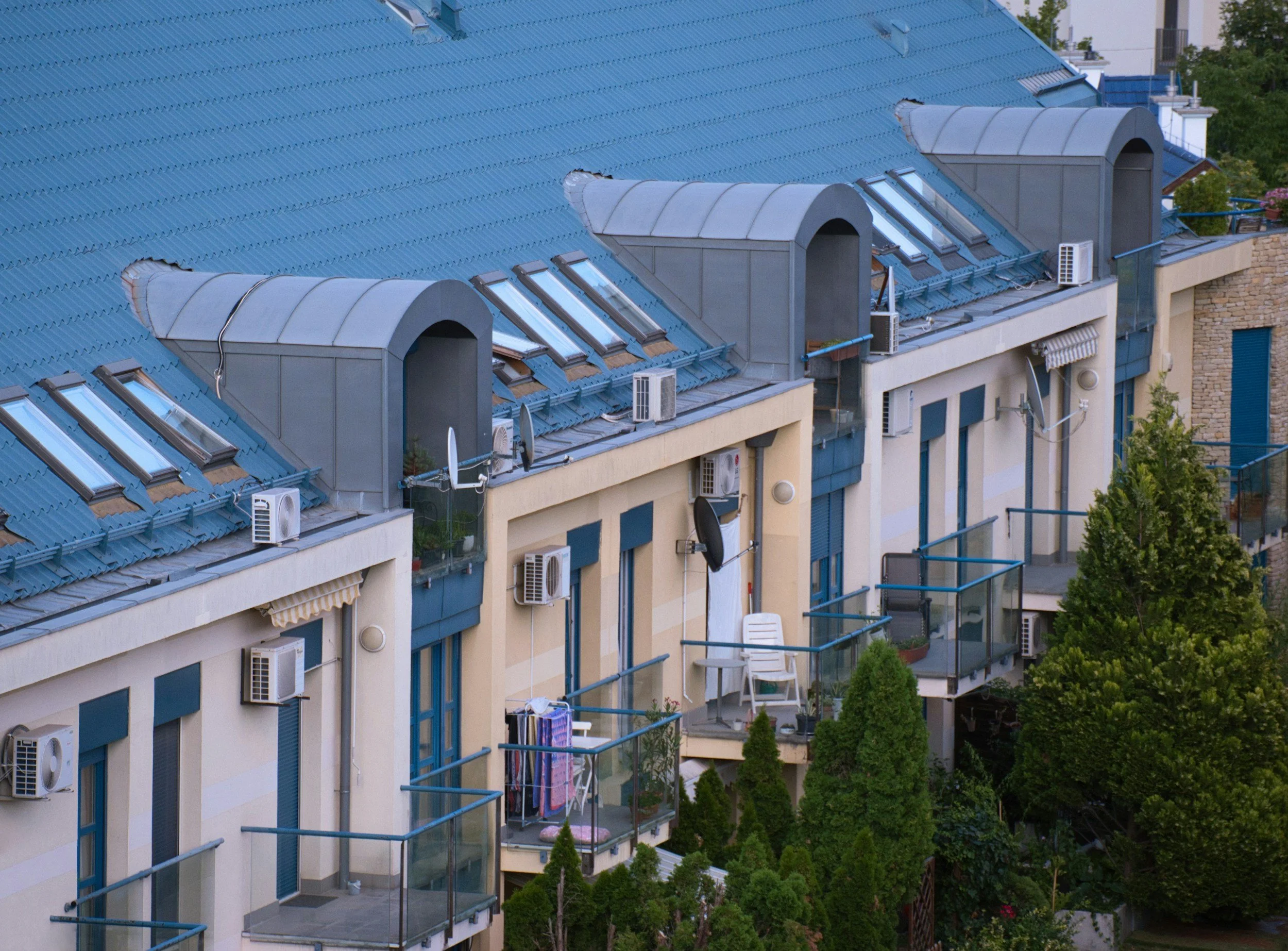
Condominium
COOP
Apartment
Winter brings its share of heating problems, especially in condos where multiple units rely on coordinated HVAC systems. When condo HVAC units start acting up during cold months, it doesn’t just lead to a few chilly complaints. It can raise concerns about indoor air quality, energy use, and tenant experience.
Summer presents comparable issues around cooling and air conditioning.
Learn how AIRPROS addresses common HVAC issues affecting condominiums, coops and apartments, by watching this video and scrolling down for more information.
AIRPROS would welcome the opportunity to design and install an HVAC system in a newly-built condominium, coop or apartment building, or repair, service and maintain existing equipment, for an entire building or an individual unit.
We will quickly respond and schedule a followup call or meeting.
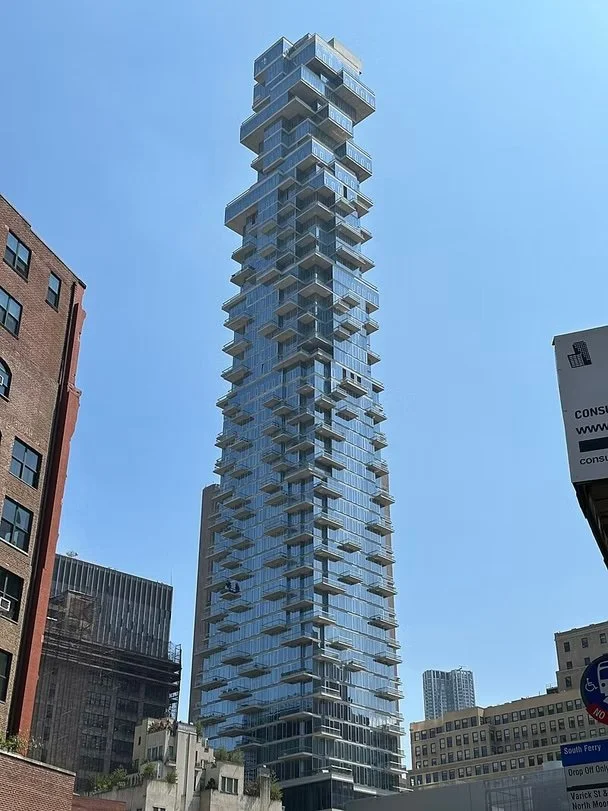
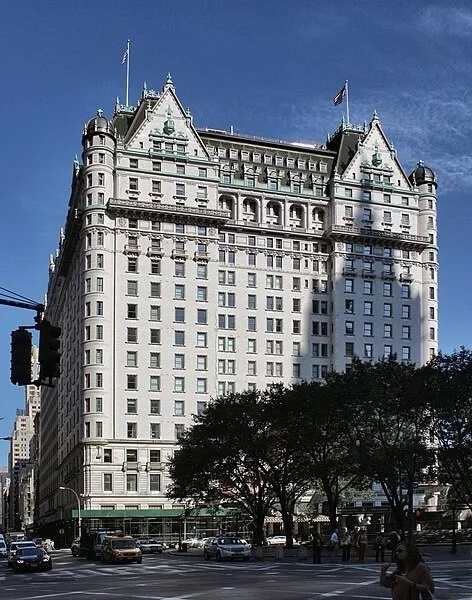
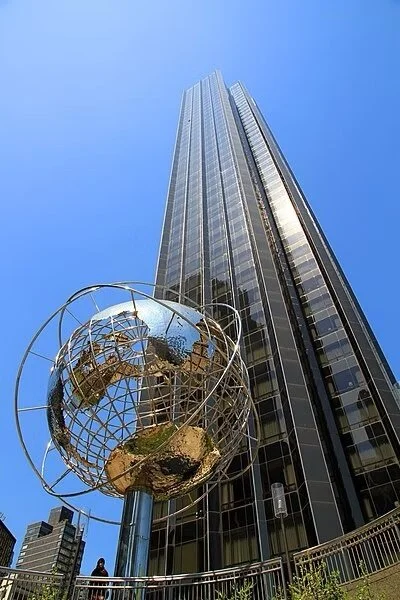
AIRPROS has designed, installed and service some of New York City’s most iconic and historic residences, including high-end townhouses and renowned pre-war apartment buildings
-
![A tall, modern skyscraper with an irregular, stacked design featuring multiple glass balconies, set against a clear blue sky surrounded by older, traditional buildings.]()
The Jenga Building
65 Leonard Street
-
![A large historic hotel building with ornate architecture, multiple stories, and a flag flying on top, located on a busy city street with cars and pedestrians.]()
The Plaza Hotel
768 5th Ave
-
![A tall modern skyscraper with reflective glass windows and an art installation of a metallic globe with an inscribed map of the world on a pole in front.]()
Trump International Hotel & Tower
1 Central Park West
-
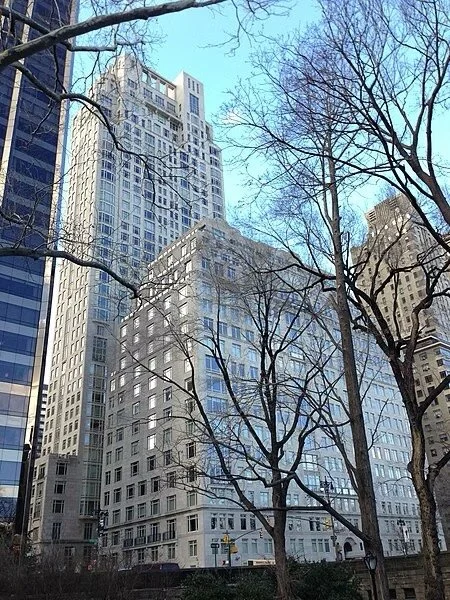
![Tall buildings in an urban cityscape with leafless trees in the foreground and a clear blue sky.]()
15 Central Park West
Luxury Residential
-
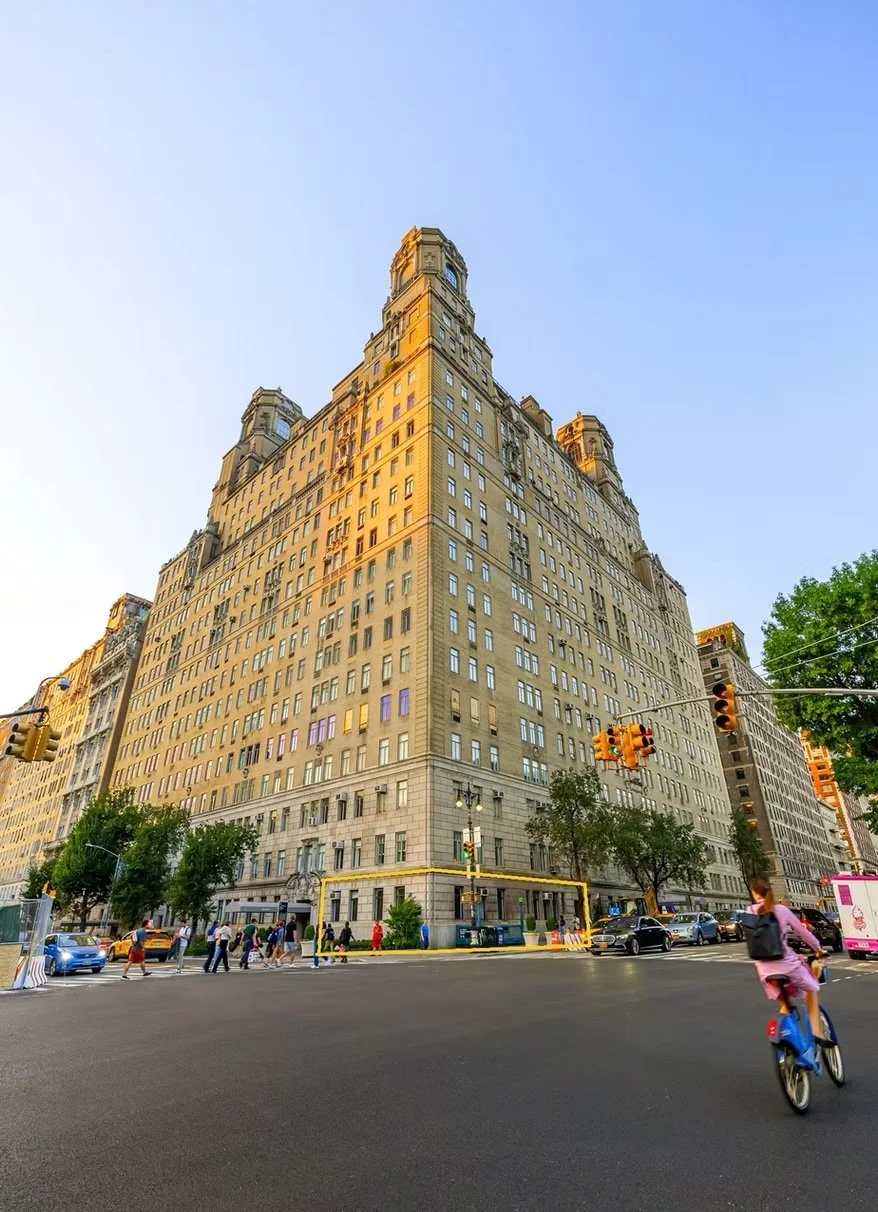
![Tall beige building on a city street with traffic lights, people walking, a person riding a bicycle, and trees in the foreground during daytime.]()
The Beresford
7 W. 81st Street
-
![Two tall, light-colored skyscrapers with spire-like tops rising above trees in a park, with a small boat on a water body in the foreground.]()
The San Remo
145 Central Park West
-
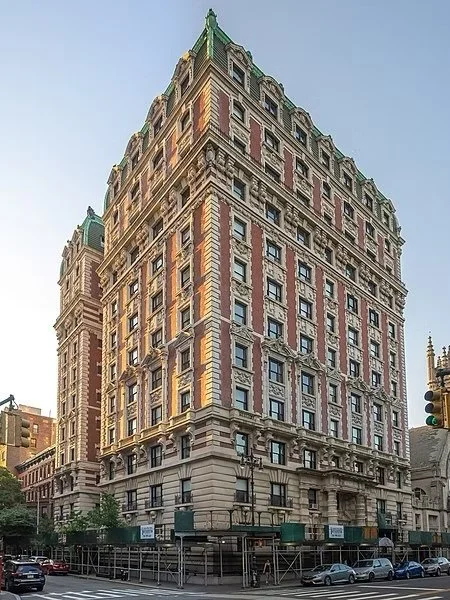
![A tall, historic building with ornate architecture, multiple windows, and a green roof, situated on a city street with parked cars.]()
The Kenilworth
151 Central Park West
-
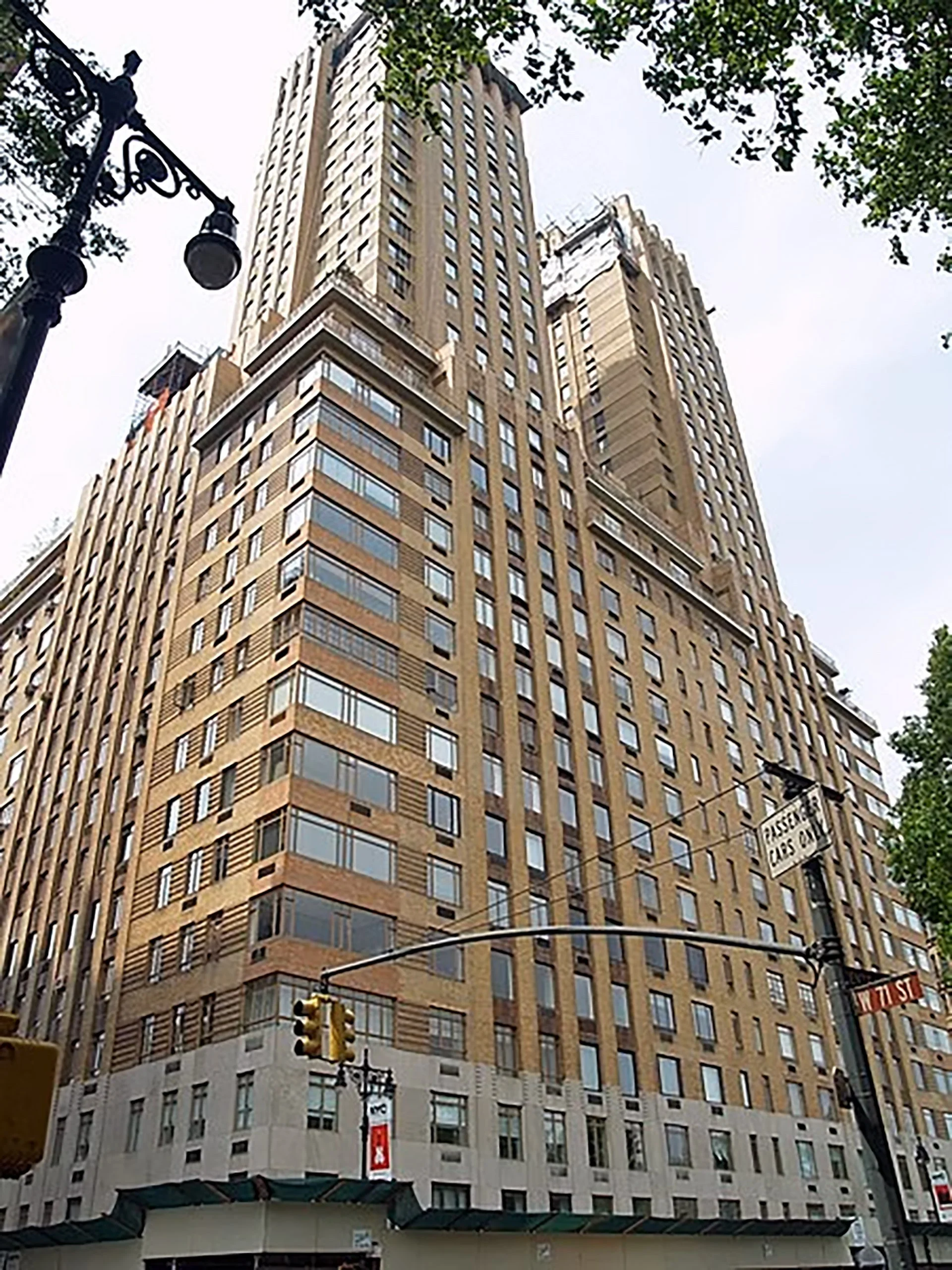
![Tall beige and brown skyscraper with many windows, surrounded by street signs and a streetlamp, with trees and an overcast sky in the background.]()
The Majestic
115 Central Park West
-
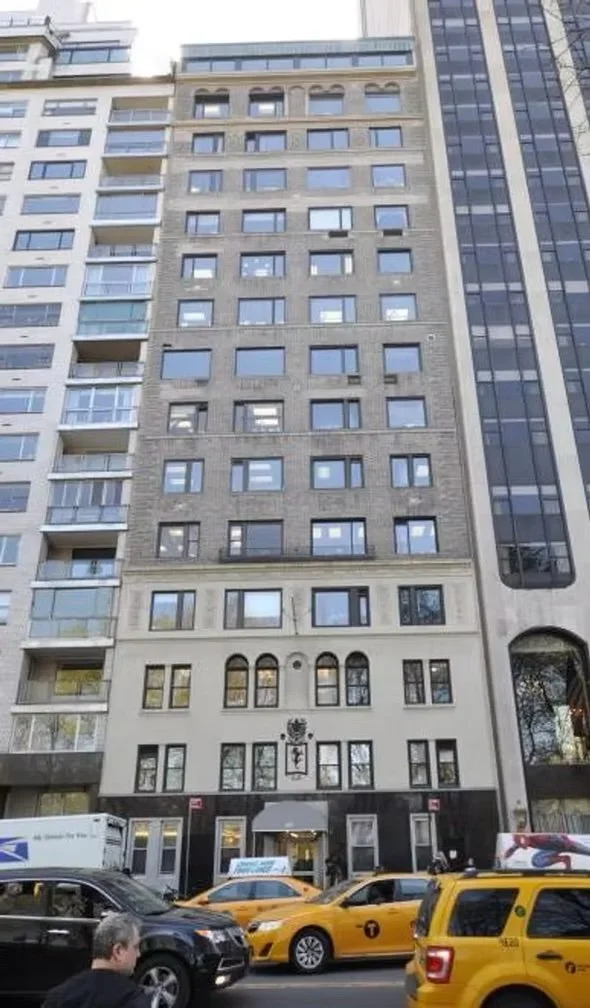
![Tall building in an urban city with cars parked in front, including yellow taxis and a postal delivery truck.]()
Pre War Condo
30 Central Park South
-
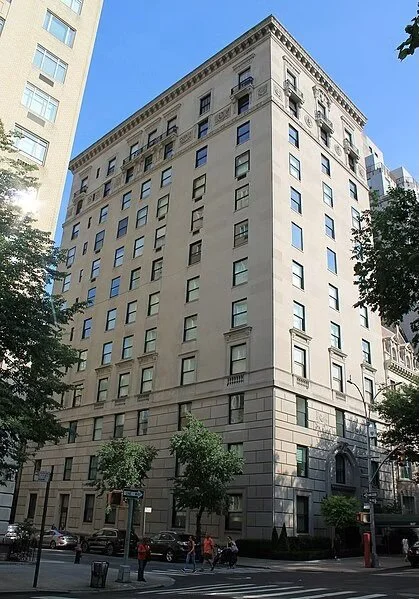
![A tall, beige, multi-story building with many windows, located on a city street with trees and pedestrians in the foreground.]()
Renaissance Revival
927 5th Ave
-
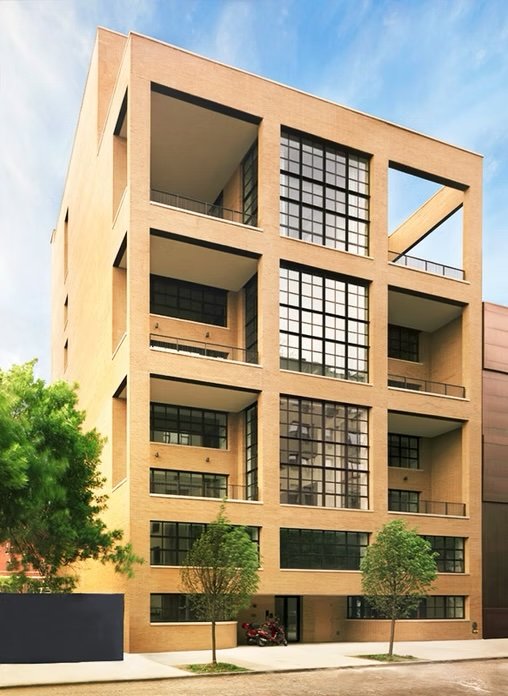
![Modern beige apartment building with large black-framed windows and open balconies on each floor, surrounded by small trees and a sidewalk.]()
Pre War Condo
397 W. 12th Street
-
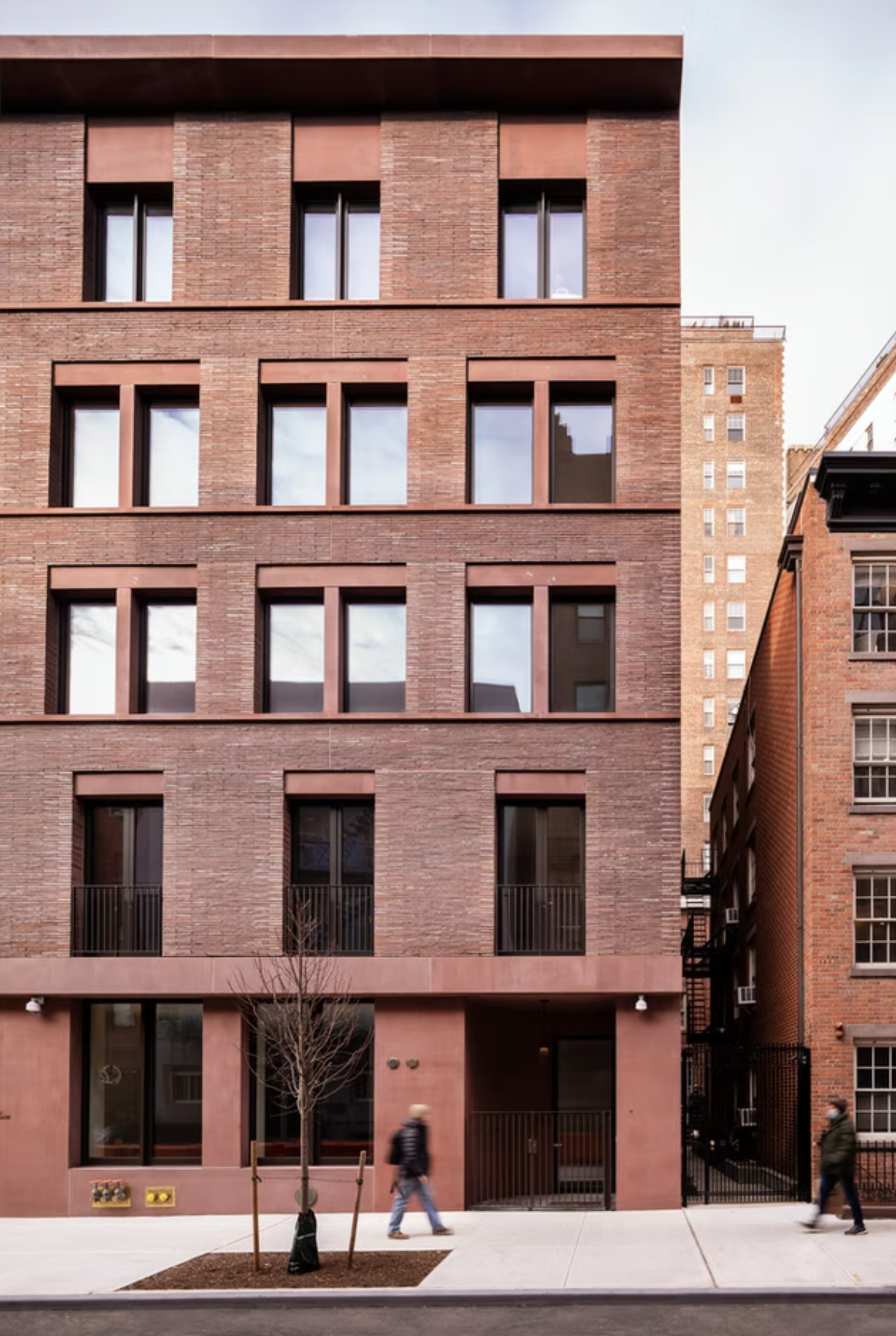
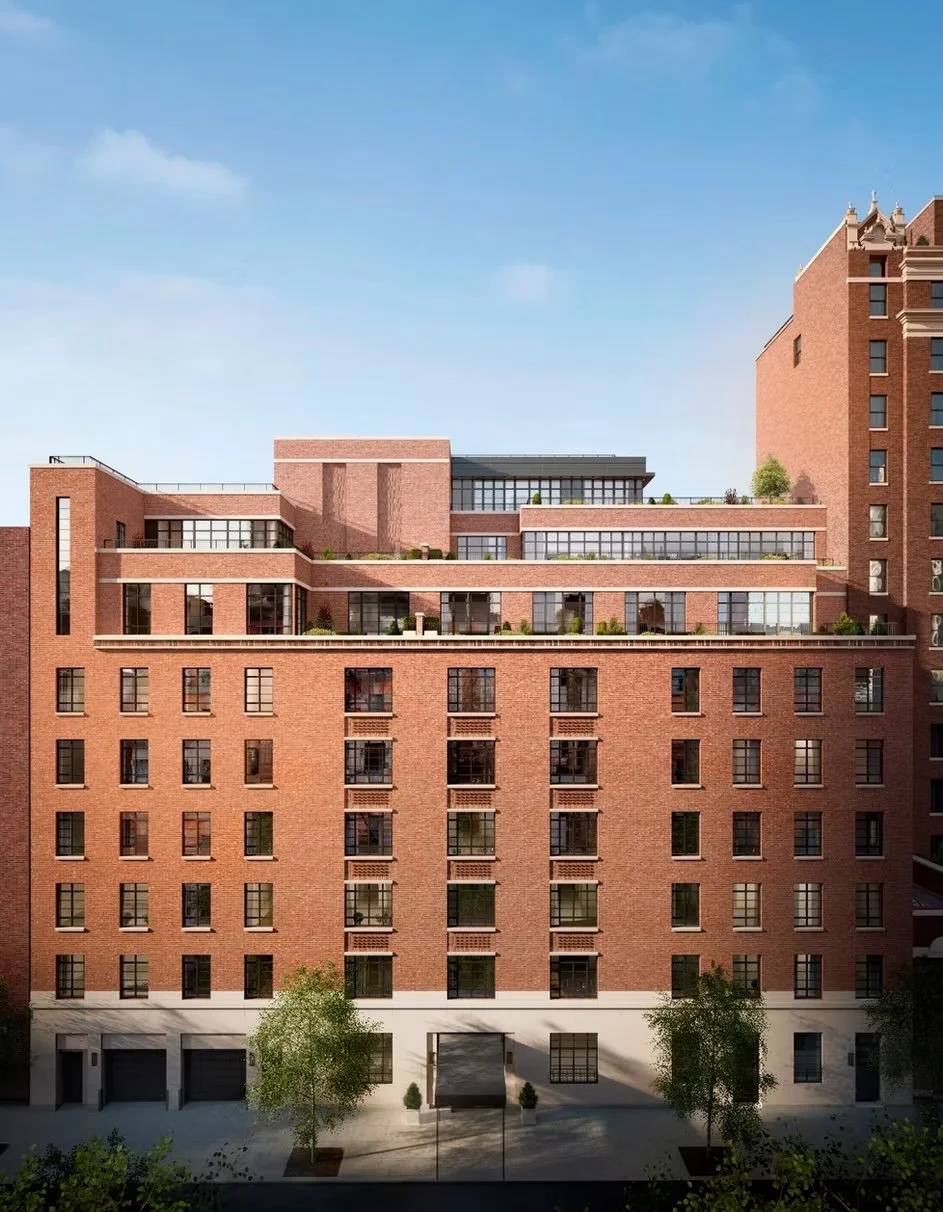
![A modern red-brick apartment building with large windows and a sidewalk in front, with two people walking by and a small tree.]()
David Chipperfield Architects
11-19 Jane Street
-
![Modern multi-story brick apartment building with large windows and rooftop terraces, with a blue sky and some greenery at street level.]()
The Greenwich Lane
140 W. 12th Street
-
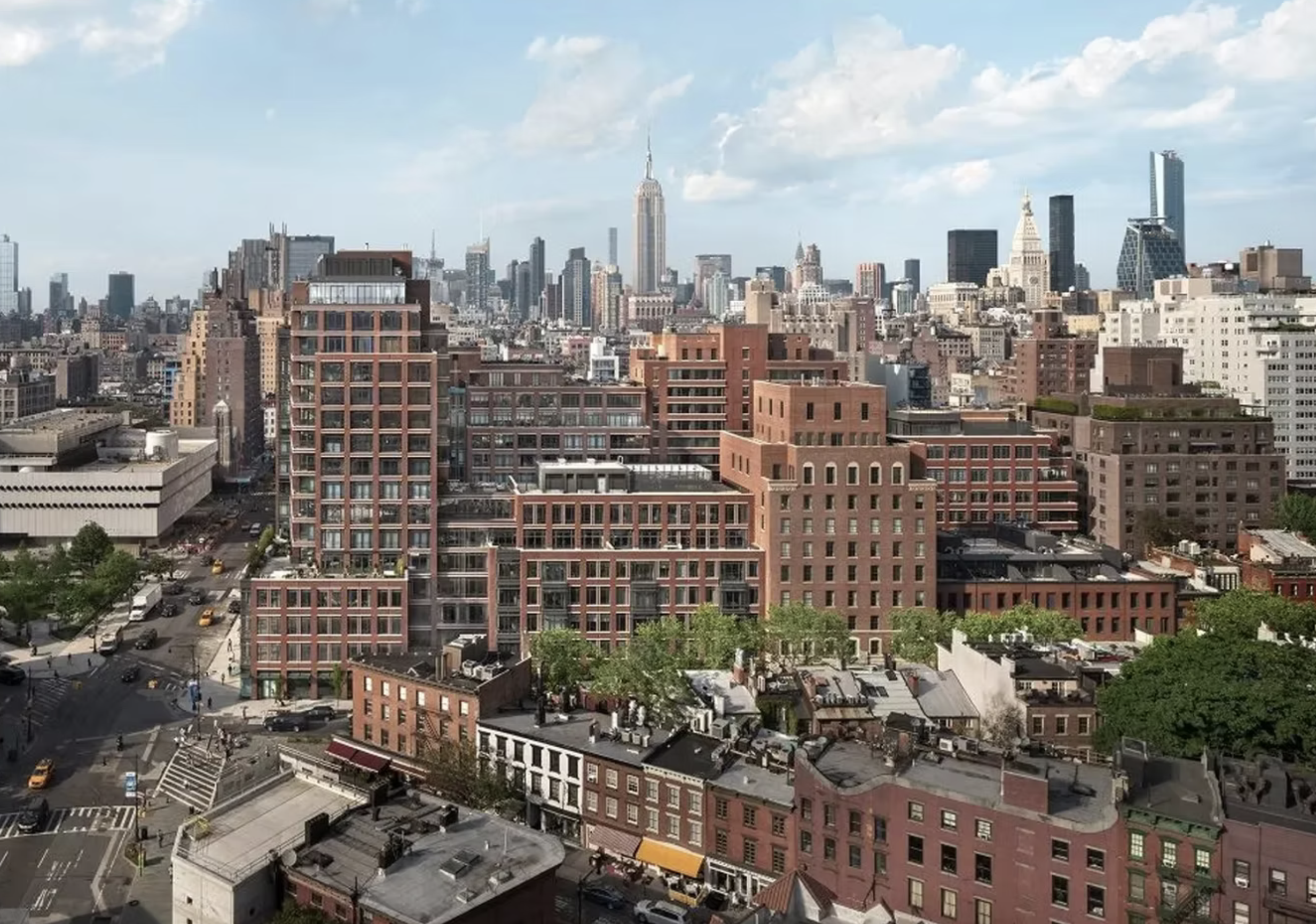
![A cityscape featuring tall skyscrapers, mid-rise buildings, and busy streets, with the Empire State Building prominently in the background under a partly cloudy sky.]()
Post War Condo
151 W. 11th Street
-
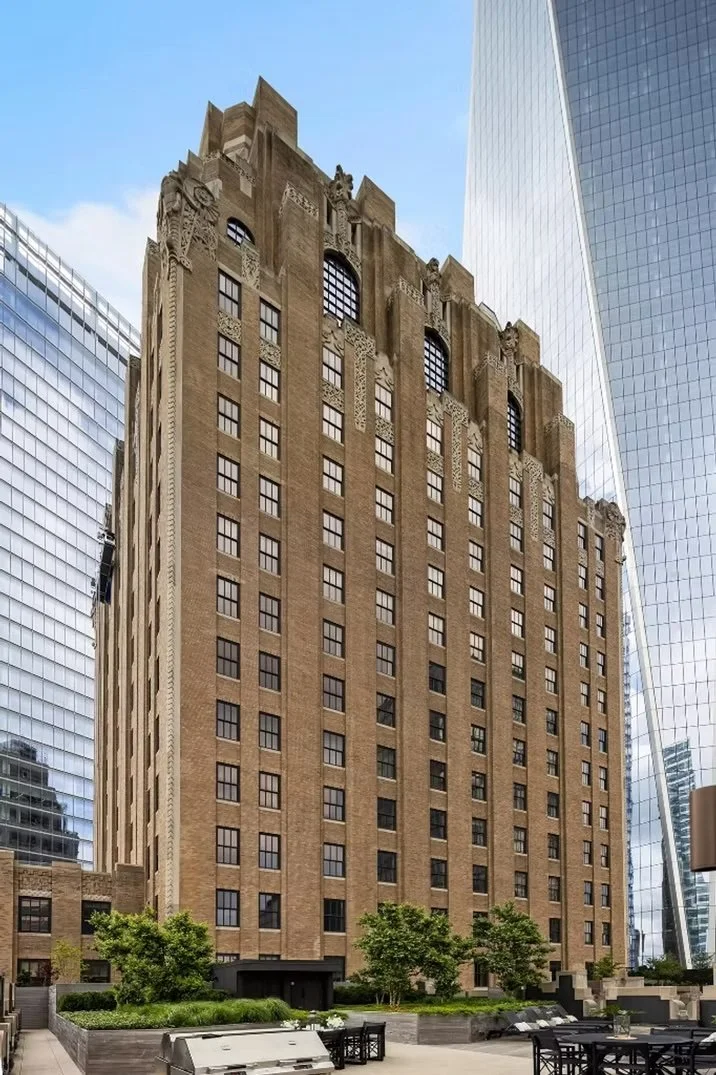
![A tall historic building with ornate decorative details on the top, surrounded by modern high-rise glass buildings in an urban downtown area.]()
Tribeca
100 Barclay Street
-
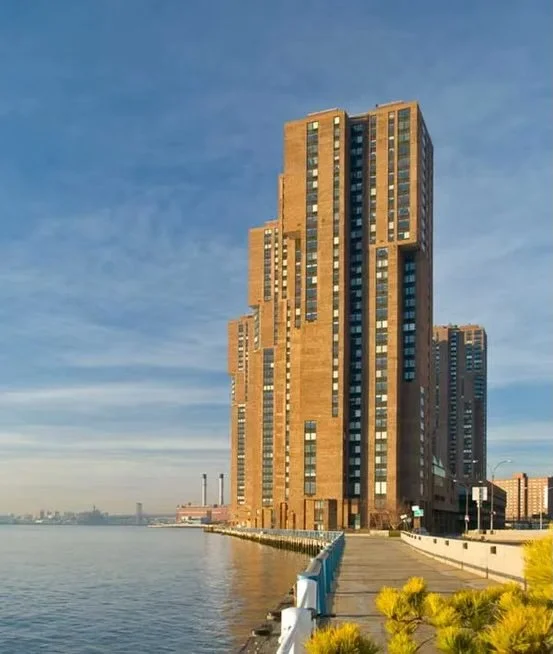
![A tall, modern high-rise building with a stepped design, located by a body of water, with a walkway and some yellow plants in the foreground, under a partly cloudy sky.]()
Kips Bay
100 Waterside Plaza
-
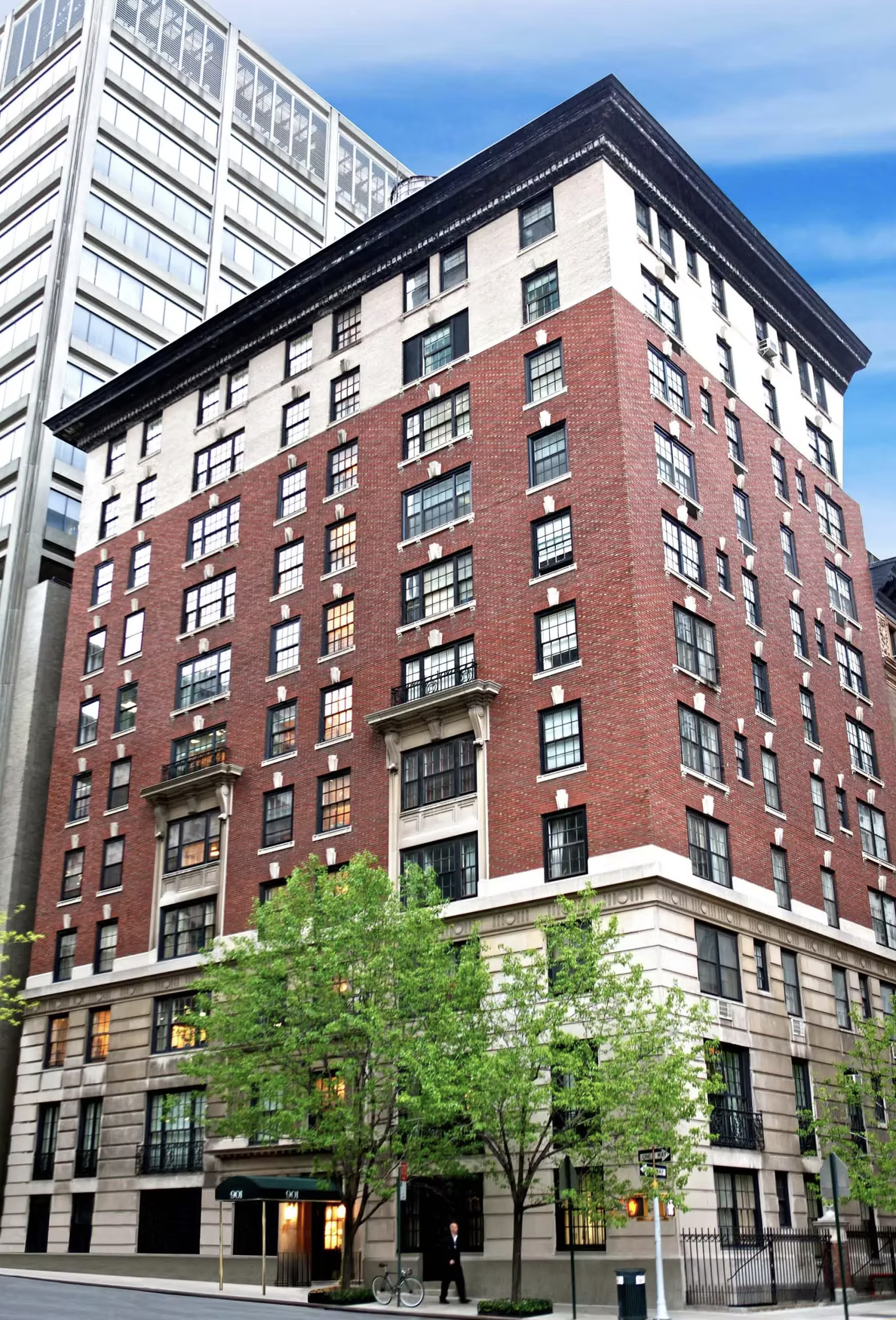
![A tall, multi-story building with a red brick facade, large windows, and ornate decorative elements around the windows and at the roofline, located on a city street with trees and a sidewalk.]()
Lenox Hill
901 Lexington Ave


T: 516-427-3983
E: info@airprosny.com
Common Cold Weather Problems in Condo HVAC Units
Cold weather often highlights weak spots in HVAC planning and system age. Some issues, like uneven heating, can frustrate occupants and stress the equipment. Poor air distribution can leave some rooms cold while others overheat. This usually comes down to zoning problems, blocked ductwork, or mismatched fan speeds. Older systems may struggle during temperature dips. Units that run fine most of the year often break down when asked to maintain heat for long stretches.
Drafty vents, frequent on-and-off cycling, and loud operation are problems we hear about all winter long. Each points to something different, from condensate issues to sizing mismatches, but all of them impact comfort and reliability.These problems don’t usually show up all at once. Instead, they build over time until the system can’t keep up. That’s why AIRPROS looks for ways to address the causes before winter hits hard.
Why Air Quality Suffers in Winter, and How to Fix It
When the weather cools down, most condo units run sealed. That means no fresh air from open windows and more recycled air moving through shared spaces. As interior humidity rises, so does the risk of odors, stale air, and even mold when left unchecked.
One solid fix is pairing high-efficiency chilled water fan coils with thoughtfully designed duct runs. These help move conditioned air efficiently while filtering out moisture and irritants. The right setup keeps airflow steady across zones, avoiding pockets of stale air or over-humid corners. Better airflow design actually prevents many air quality problems we get calls about during the winter.
Most importantly, it’s not about upgrading filters after install. It’s about designing with air quality in mind from the start, including how air is pulled, filtered, and circulated throughout the building. Condo HVAC units are only as effective as the airflow choices made around them. Cleaner air starts with smarter equipment placement and sizing.
Preventing Shutdowns with Seasonal System Checks
Winter adds pressure to every HVAC component. Fans work harder, heat pumps pull longer cycles, and thin duct links are tested. The margin for error shrinks fast in January and February.
Checking filters, motors, and control systems before winter really settles in gives us a better chance of catching any early failure signs. Condensate pans and drain lines are another focus. When these freeze up or clog, systems can short-cycle or shut down unexpectedly.
Loose wiring, worn belts, or low refrigerant levels don’t always show as problems until temperatures drop. We always recommend taking time to run diagnostics across shared and private units before mid-winter.
How to Keep Small Fans and Heat Pumps Performing in Tight Spaces
It’s common for condo HVAC units to be tucked in utility closets or behind access panels. That’s great for floor space, but it creates challenges for heating performance and long-term care.
Water source heat pumps need clear airflow. Without it, they tend to short-cycle, especially in tight closets where airflow can’t be evenly pulled. Multi-position fan coils give us flexibility in these setups. They fit into harder layouts without losing zone control or heat consistency.
Smart thermostats add another layer of control. When paired correctly, they help prevent overheating or unnecessary runs by adjusting to actual usage patterns instead of fixed schedules.
Winter puts more strain on compact layouts. That’s why AIRPROS HVAC designs focus on airflow as much as temperature output. Even small changes to vent placement or fan speed can help the whole system perform without overworking specific zones.
Finding the Right Setup for Winter Comfort in Condos
Every condo building brings its own design needs. Multi-use units, retrofits, or high-rise buildings can’t all use the same heating setup. The goal is to match the system to space and usage from the start.
Ceiling or floor-mounted units both offer benefits, depending on layout. We look at how heat naturally moves through the room, then pick coil types and vent shapes that support it. Coordinating ductwork early in the framing phase pays off later. Small adjustments to layout can make servicing easier and reduce airflow friction.
Zoned systems play a bigger role in condos than single-family units. A heating setup that considers daily living needs, like keeping bedrooms warmer at night or conditioning shared halls, goes a long way. Better winter comfort starts with placement, balance, and predictability. That is why AIRPROS technical staff work closely with electrical contractors, mechanical engineers, general contractors and architectural designers.
Keep Condo Systems Quiet, Balanced, and Reliable
When winter hits hard, problems with condo HVAC units tend to show quickly. Tenants notice every uneven draft, noisy fan, and delayed heat cycle. But most of these issues trace back to layout decisions or lack of maintenance, not the cold itself.
Developers and contractors who plan HVAC right the first time end up with buildings that run smoother year-round. Winter just happens to be the season that reminds us why it matters. By designing for balanced airflow, matching the right units to the layout, and staying ahead on service checks, AIRPROS builds systems that stay steady long after the first cold front passes. The goal isn’t just to meet minimum comfort. It’s to plan HVAC setups that hold up under pressure, keep airflow clean and consistent, and avoid last-minute fixes when winter hits.