
hospitality
Retail
Restaurant
To ensure a comfortable dining and shopping experience, that keeps customers happy and interested, it is essential to maintain an ideal temperature.
Discover how to optimize restaurant dining room temperature, improve hotel climate control, and choose the right HVAC equipment to support both customer facing and internal operations, by watching this video, plus scrolling down for more information.
AIRPROS would welcome the opportunity to respond to an RFP and work on your Retail, Restaurant and Hospitality projects.
Please complete the form below; an AIRPROS representatives will quickly respond and schedule a followup call or meeting.

T: 516-427-3983
E: info@airprosny.com
Why is my restaurant always too hot even when the AC is running?
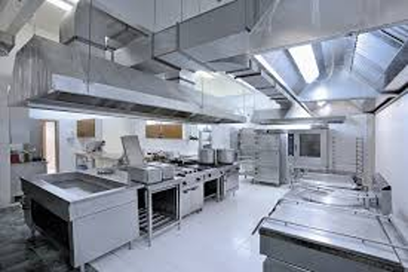
This is often caused by improper system sizing, poor airflow balance, or heat spillover from the kitchen. If the HVAC system is undersized or not zoned correctly, it may struggle to keep up during peak hours. In many cases, improving ventilation in the kitchen, adding zoning controls, or upgrading to more efficient restaurant HVAC systems can help stabilize temperatures.
How can we keep guests comfortable without driving up energy costs?
The key is control, not just capacity. Zoned hospitality HVAC systems, smart thermostats, and occupancy-based adjustments allow operators to cool only the areas in use. Improving insulation, sealing air leaks, and maintaining equipment regularly can also reduce energy waste while maintaining consistent comfort.
Why do certain areas of a hotel or restaurant feel hotter than others?
Uneven temperatures are usually the result of poor air distribution, blocked vents, or lack of zoning. High-traffic areas, spaces near kitchens, and sun-exposed zones often experience higher heat loads. Adjusting airflow, rebalancing ducts, or implementing zone-based hotel climate control solutions can help correct these inconsistencies.
What are the most common HVAC maintenance mistakes in hospitality environments?
The most frequent issues include not changing air filters regularly, skipping seasonal maintenance, and delaying repairs when performance starts to drop. These oversights reduce efficiency, increase energy costs, and shorten equipment lifespan. Routine inspections and preventive maintenance are essential for keeping systems running reliably.
Why does an outdoor patio or pool deck become unusable during peak heat?
Outdoor spaces often lack sufficient airflow or cooling coverage. Without the right commercial cooling equipment, heat can build quickly, especially on pool decks or enclosed patios. Adding high-velocity fans, misting systems, or evaporative coolers can significantly improve usability and extend operating hours. For operators planning ahead, opening your patio early with the right preparation can help avoid these issues before peak season begins.
How do HVAC issues impact food safety in restaurants?
High ambient temperatures and poor ventilation can strain refrigeration systems, making it harder to maintain safe food storage temperatures. Aligning restaurant HVAC systems with kitchen cooling and ventilation needs helps protect food quality and reduces stress on refrigeration equipment.